

Welcome to our Academics Program!
CORE CLASSES
Scroll down to see student highlights and class projects from core classes.
ENGLISH 📕
Students will study fiction, nonfiction (informational texts, biographies, autobiographies), poetry, drama, grammar, writing conventions, and vocabulary in context. Additionally, students will write in various forms and for different purposes, as well as develop oral communications, presentation, and critical thinking skills. All work will be individualized based on students’ needs, meet grade-level standards of learning, and focus on helping students see how literature reflects our world or how texts challenge us to consider alternative perspectives. These skills are critical to success not only in the confines of the classroom but also beyond it.
Readings will be pulled from Houghton, Mifflin, Harcourt Collections textbooks, CommonLit.org, Newsela, Action and Upfront magazines (Scholastic and New York Times, respectively), as well as editorials, cartoons, articles from local and national newspapers, and leveled novels. Examples of grade-level books that will be assigned include, but are not limited to, Hatchet, Wonder, The Outsiders, The Boy in the Striped Pajamas, Ender’s Game, The Tragedy of Julius Caesar, Hiroshima, and Macbeth. Most importantly, students’ reading needs will be met through various strategies including chunking, dialectical tables, pre-reading activities, main idea identification, summarizing, paraphrasing, and inferencing. Students will also focus on connecting what they read to themselves, to other texts, and to the world around us.
Writings will fall into the four modes of discourse: descriptive, expository, narrative, and persuasive. Students will receive supports through one-on-one writing conferences with the teacher, small group work, whole class writing, graphic organizers and/or outlines, and multiple opportunities to rewrite and resubmit writings. All written work will focus on the standard conventions of writing and mechanics. Finally, all English courses will include at least one major creative project a quarter that relates to texts, genres, authors, or literary eras studied in class. Such projects will be showcased as wall displays so that students build confidence as they see their academic efforts highlighted and presented to a broad audience.
MATH 🧮
Banner Academy’s Math curriculum meets all standards of learning as required by the Arizona Department of Education. Textbooks from Pearson and AGS are used for much of the students’ individual studies. The materials are grade-appropriate, with modifications and enrichment for individual student’s needs. Videos and online practice modules supplement each textbook curriculum.
Along with learning material specific to the courses (Algebra, Geometry, etc.), students will practice critical thinking skills as they persevere in solving challenging math problems. Students are encouraged to be comfortable making mistakes and asking questions, so teachers can guide them through the problem-solving process. Whether it’s calculating the tip for service at a restaurant or choosing a reasonable car loan, students will see how math factors into their lives now and in the future.
This focus on math in real-world scenarios applies across all math courses. For example, Algebra uses symbols and equations to represent and solve problems. Thus, students can find out how many cookies they need to sell at the bake sale to cover their materials cost and make a profit by setting up an algebraic equation. In Geometry, students will learn about calculating area, scaling measurements, and transforming geometric figures, which might one day help with everything from home improvement projects to digital art design. Financial math concepts help set students up for success after high school with real-world applications like budgeting, filing taxes, and purchasing a home. Math is everywhere and used in everyday life, and we view it as our job to help students see this critical link.
Finally, the Math courses will implement special projects that will include solving logic puzzles, which encourage students to use what they know to think outside the box. Other projects are art and nature-focused to show that math really does exist all around us.
SCIENCE 🔬
Banner Academy’s Science curriculum meets all standards of learning as required by the Arizona Department of Education. Textbooks from Pearson, AGS, and Pacemaker are used for much of the students’ individual studies. The materials are grade-appropriate, with modifications and enrichment for individual student’s needs. Videos, online interactive simulations, and even augmented reality laboratory activities incorporate technology to enhance knowledge gained from textbook readings and class discussions. Students will continue to enjoy hands-on projects and laboratory activities that relate to their current topic of study, as well.
Along with learning material specific to the courses (Biology, Earth Science, Chemistry, etc.), students will practice scientific thinking across the different disciplines. Students will also be assigned special projects to increase engagement in science topics and to showcase the relevance of the curriculum in real life. Science class will emphasize some cross-curricular activities, so students can see how the different academic subjects relate. Also, there will be a weekly focus on science in the news, so students can see that science is a global and on-going experience.
Science class will continue to hold school-wide projects and events, like the 2024 Solar Eclipse viewing, to increase interest in science and show it as something that can be shared and enjoyed by everyone.
SOCIAL STUDIES 🌎
In Social Studies, Banner Academy offers a standards-based curriculum from multiple texts and resources, including Pacemaker and Holt textbooks in Civics, U.S. History, World History, Geography, American Government, and Economics. In addition, we use a wide range of videos and differentiated assessments to accompany the texts assigned to each student.
Each student has an individualized course to complete that is commensurate with their grade level and abilities, and all work is designed with a focus on the grade-level standards of learning. To bolster student interest in history and world events, we hold weekly group discussions on Fridays that focus on current events that not only inform the students about the issue/event, but also encourage them to articulate their thoughts, engage with one another intellectually, learn from their classmates, and become citizens of the world.
Finally, students complete individual and group projects that allow for additional engagement while focused on their respective coursework. These projects allow students to celebrate veterans (e.g., Veterans Day and Memorial Day), key historical figures (e.g., President Washington, Dr. Martin Luther King, Jr.), and events of historical significance (e.g., Black History Month). We are here to help history come alive for your students.
Highlights from 2025-2026
SCIENCE – In August 2025, students worked on a Color Magic lab in science class. The lab was a great start to the school year in science. It required students to work collaboratively to measure precisely and to combine primary colored water to create new colors.


The lab afforded students an opportunity to practice measuring liquid with various graduated cylinders and to implement the lab safety guidelines that they have been studying in science class.


Even Cash, Principal Judy’s dog, wanted to take part in this fun and educational activity.


TRANSITIONS – Transitions students used three simple ingredients—croissant dough, shredded cheese, and tomato sauce—to create their own unique mini pizzas.

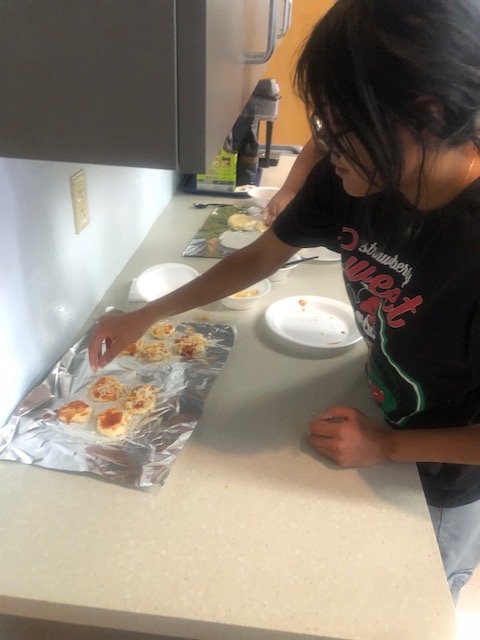
They began by unrolling the croissant dough and shaping it into small pizza bases. Next, they spread a layer of tomato sauce over each base, then sprinkled shredded cheese on top. Some students got creative by folding or twisting the dough into different shapes or layering the ingredients in fun ways.

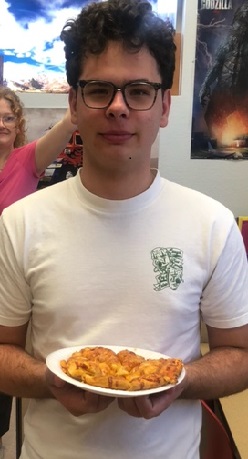
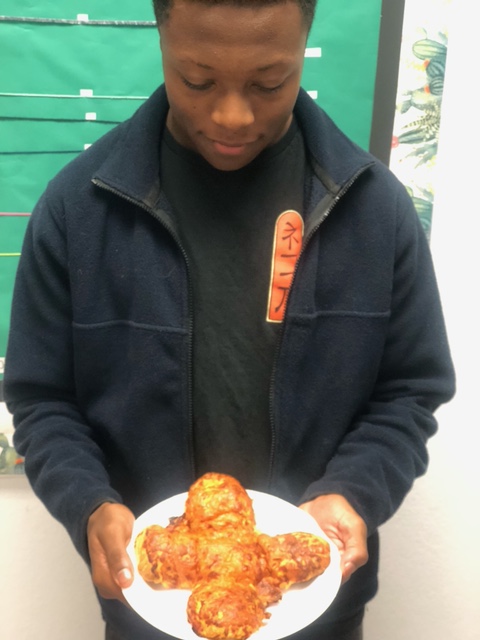

Once assembled, the pizzas were baked until the dough was golden and the cheese was melted and bubbly, resulting in delicious, personalized creations
Highlights from 2024-2025
LIFE SKILLS – Life Skills classes created their own first aid kits so students could learn the importance of having a well-organized stock of critical items in case of an emergency.
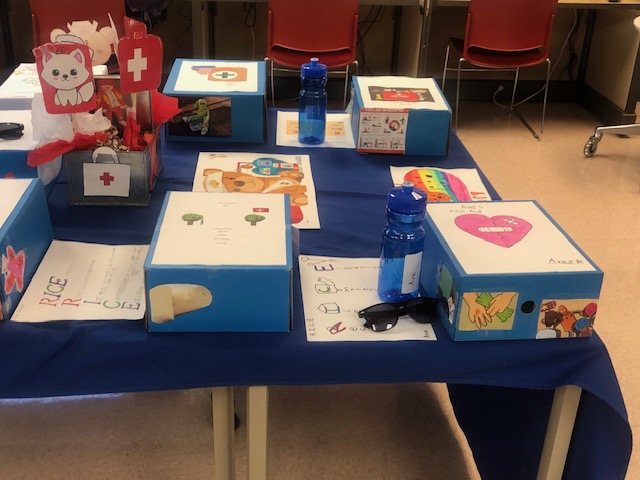

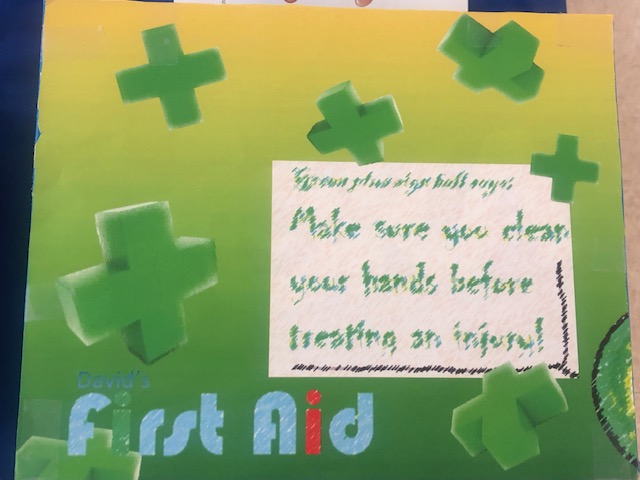

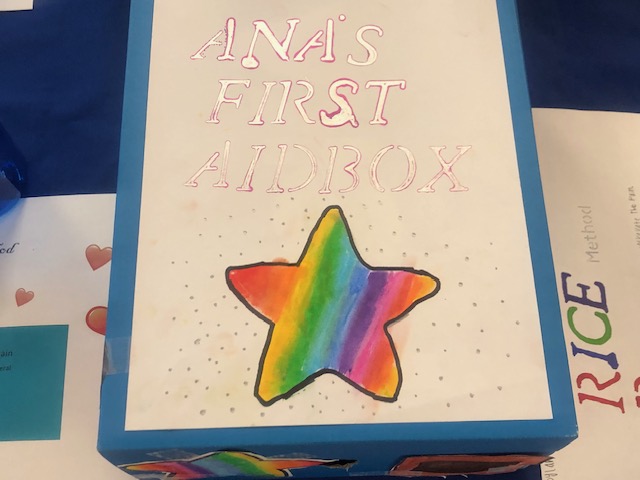
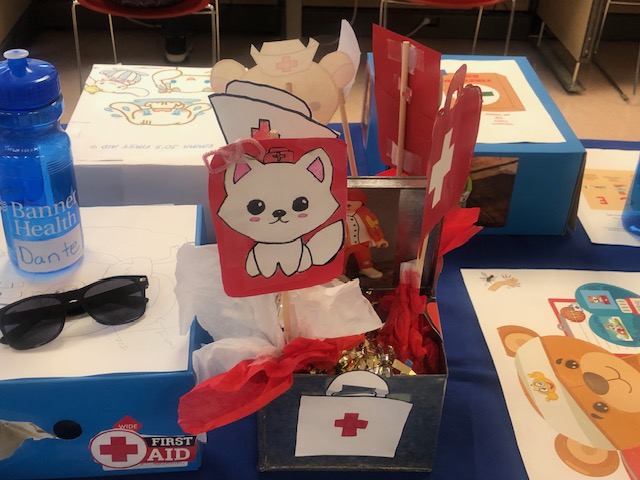
Students learned how to properly wrap a wrist, proceed if one hits his/her head and maybe has a concussion, handle a nosebleed effectively, clean a wound properly, use various home remedies for insect bites and/or stings, and collect other readily available items in the household to prevent bites, treat sunburn, use band-aids, as well as understand the importance of having a clean towel in a first aid kit. As a final step in this very important set of life skills, students used their creativity to design an actual first aid box that they could take home.
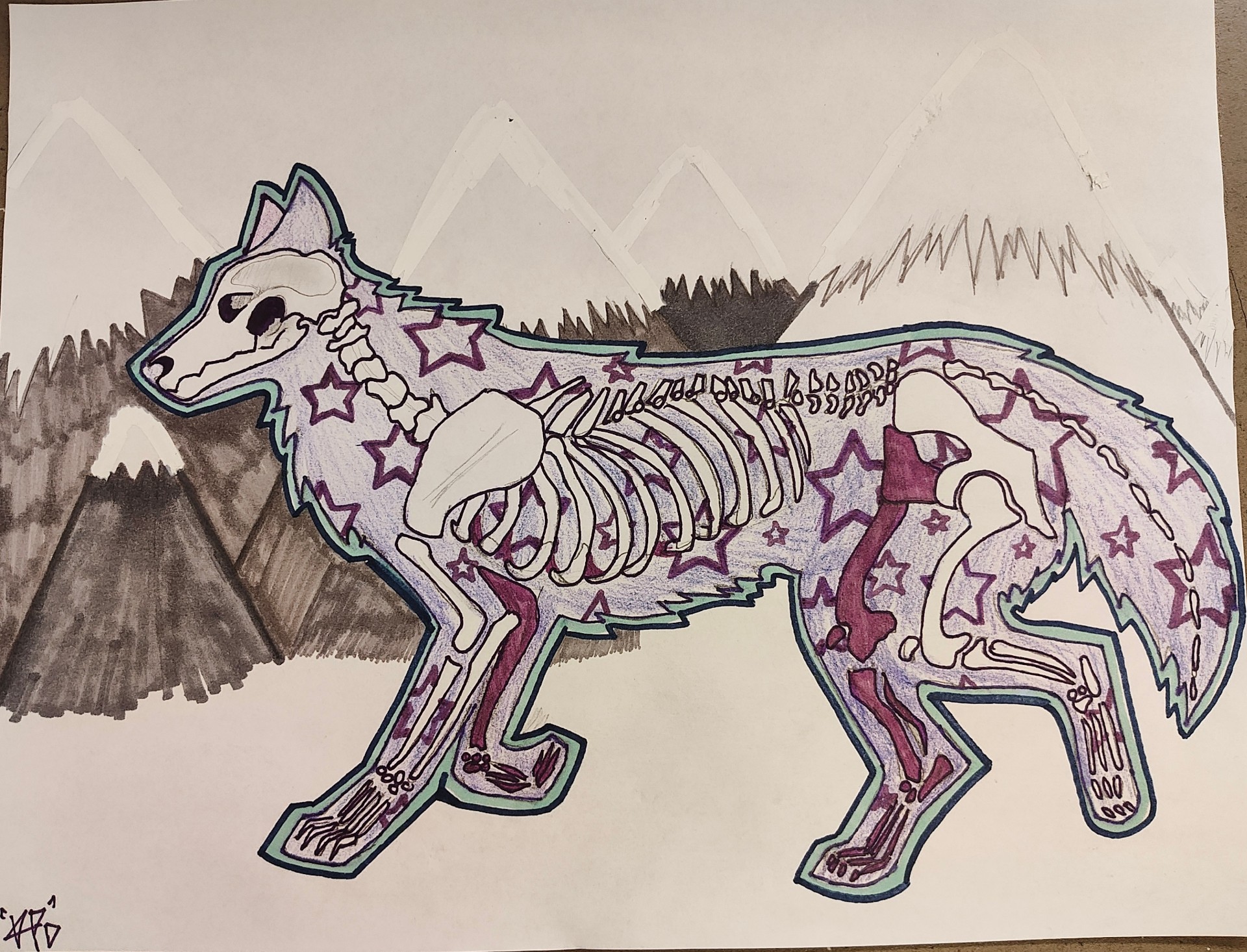
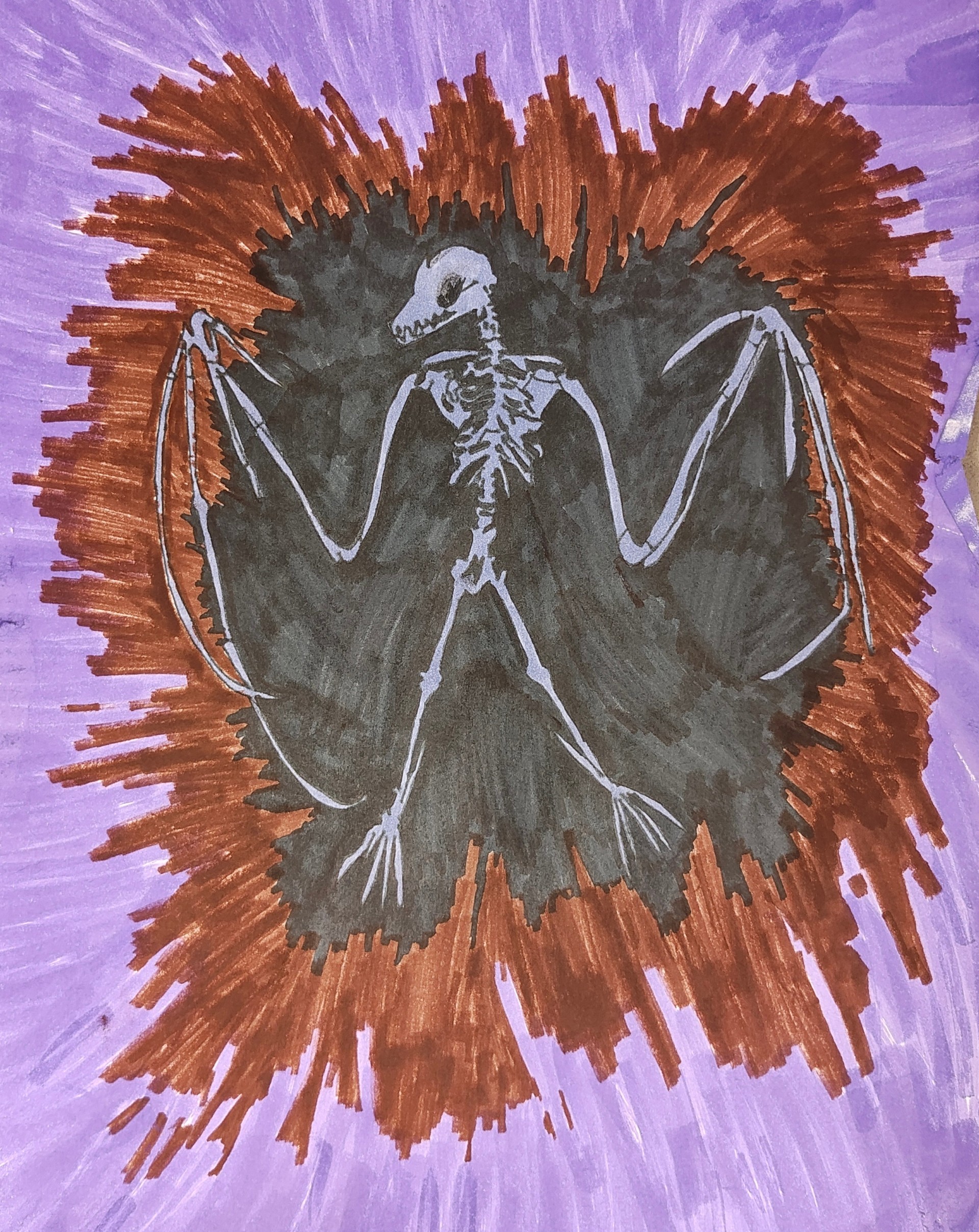
SCIENCE – Science class often uses Friday group lessons to connect to important science-themed events, like eclipses, Earth Day, and so on. To celebrate World Radiography Day on November 8, 2024, students guessed the species of animal based on their X-ray images.
The class discussed adaptations the animals had that were evident from the images of their bones. Then, the students choose their favorite animal, and created beautiful pieces highlighting the skeletal structure of that animal and their specialized adaptations for survival.

ENGLISH
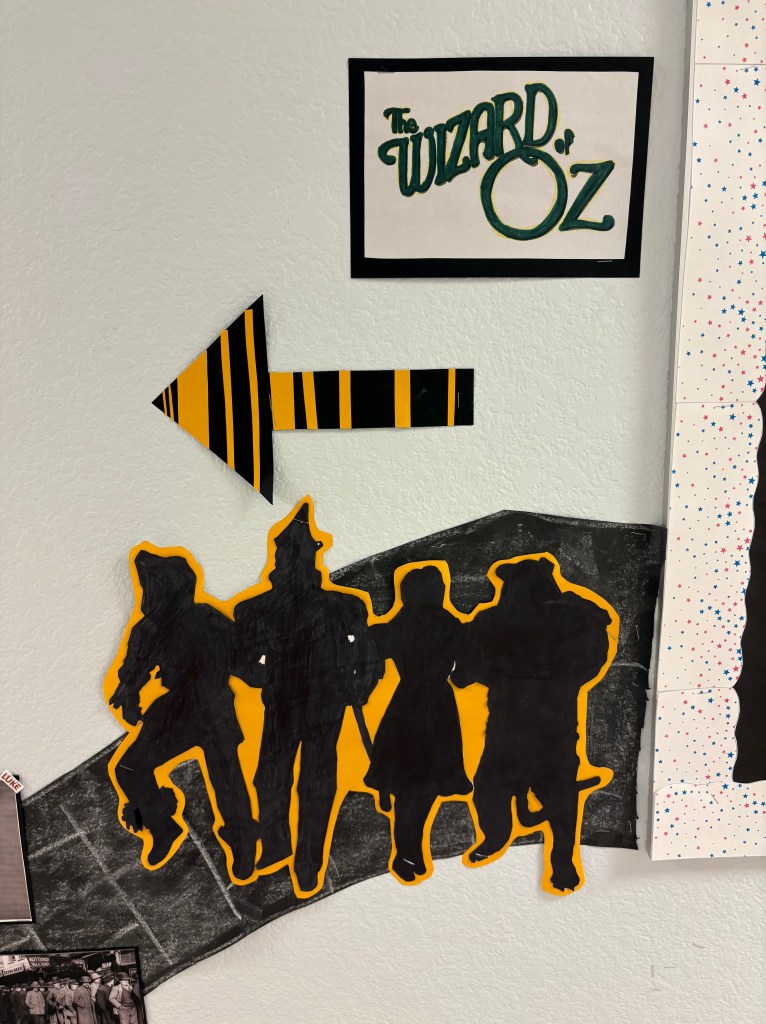
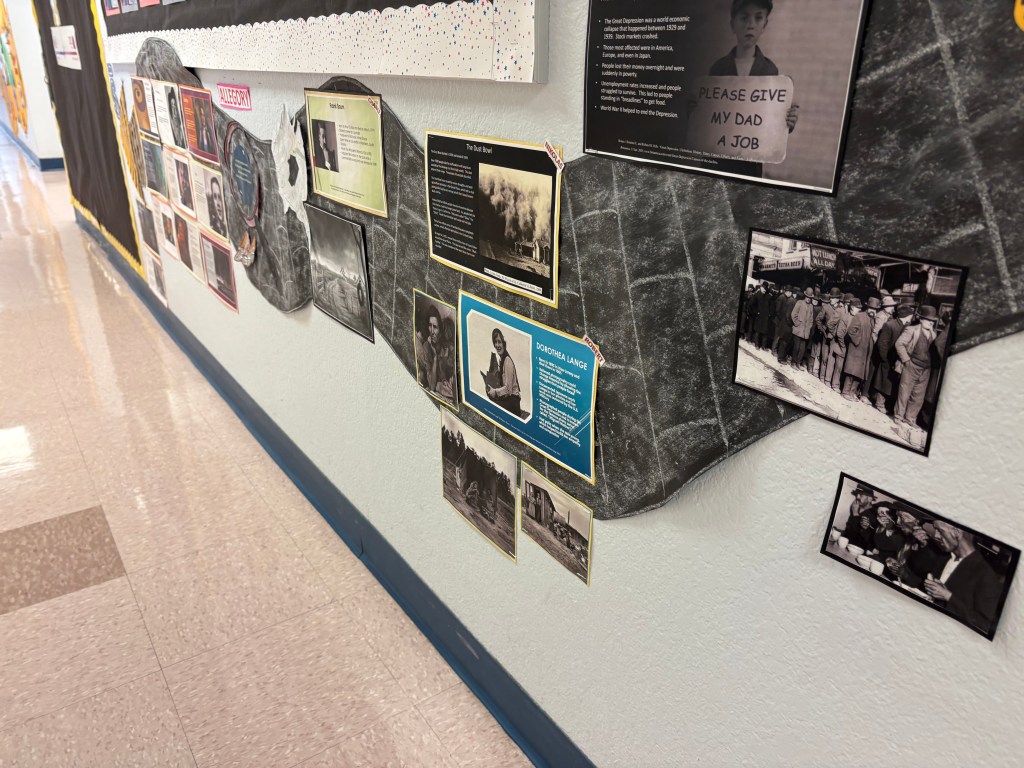
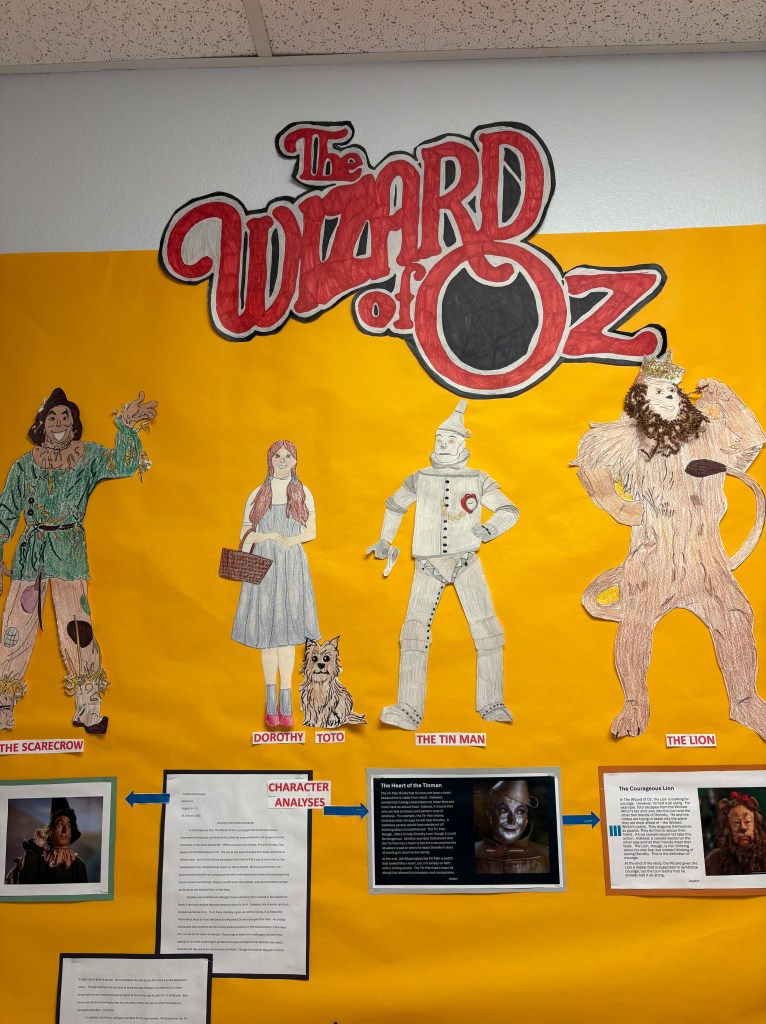
Students completed a number of projects to support their reading, writing, and researching skills. One of the projects focused on a critical study of Frank Baum’s The Wizard of Oz, which was preceded by a historical review of the time period that the story reflects, a study of allegory, written assignments on how various characters and places symbolized elements of the Great Depression, Populism, the battle over bimetallism, as well as character analyses, fun facts about the book and film, and an examination of the steps in the Hero’s Journey. The end product was an aesthetically pleasing and very, very large wall display to showcase the students’ hard and insightful work:

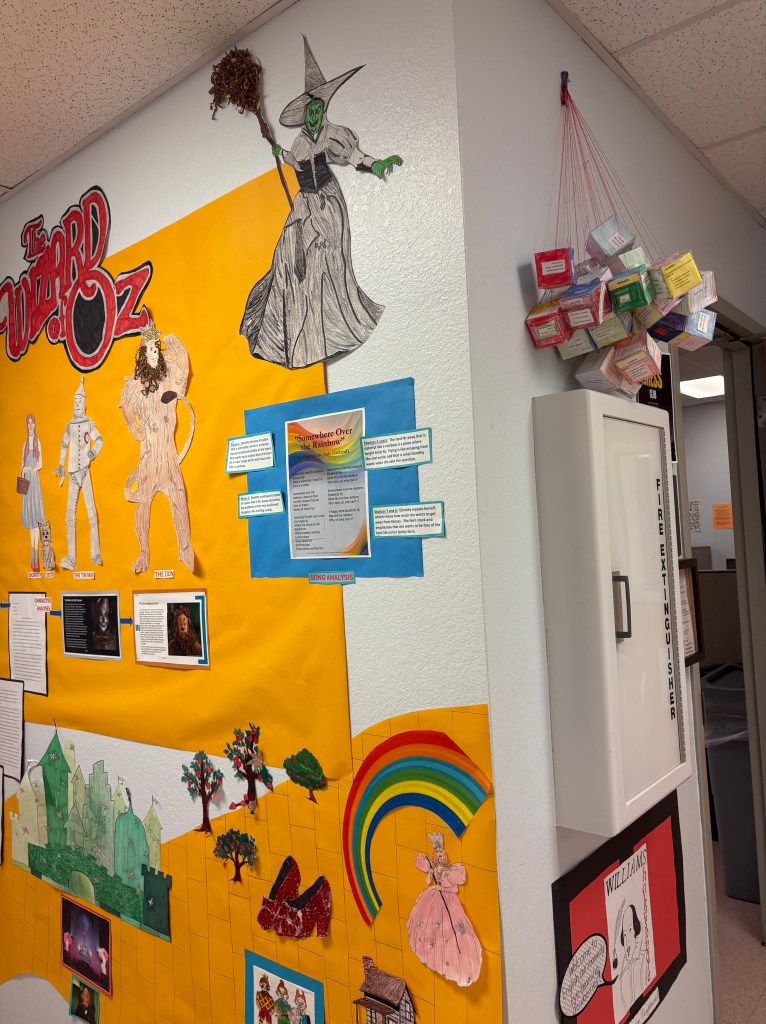


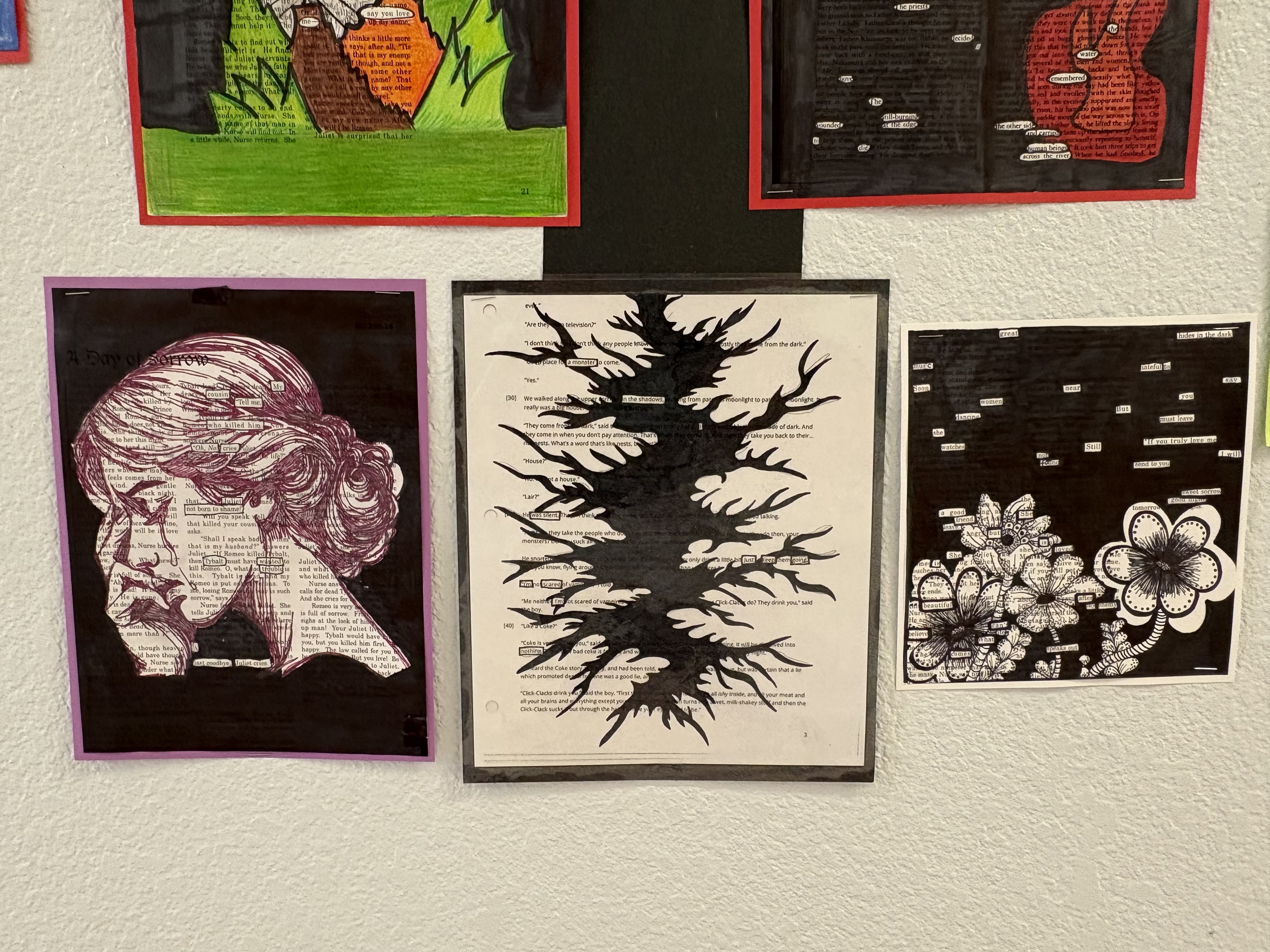
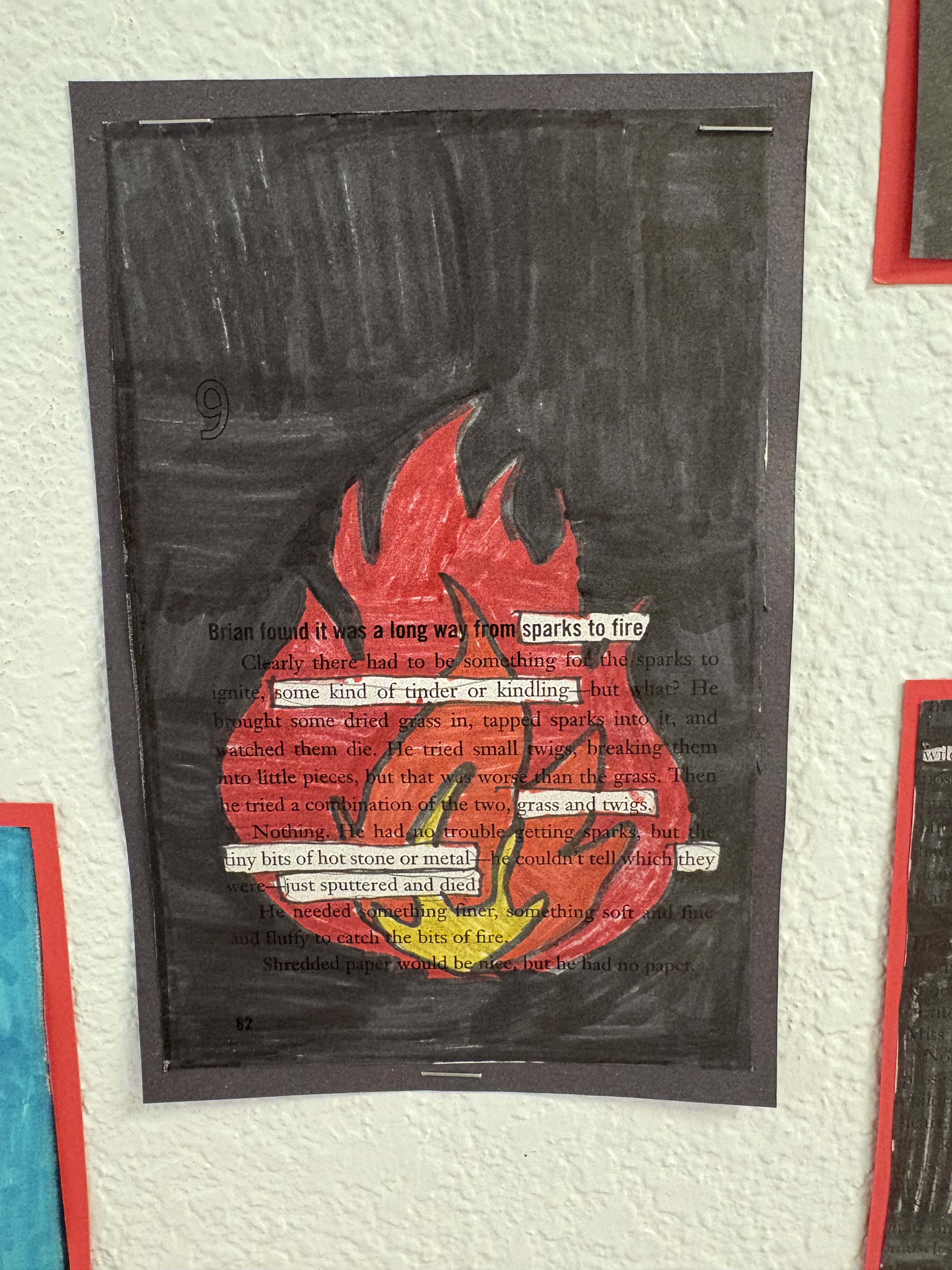
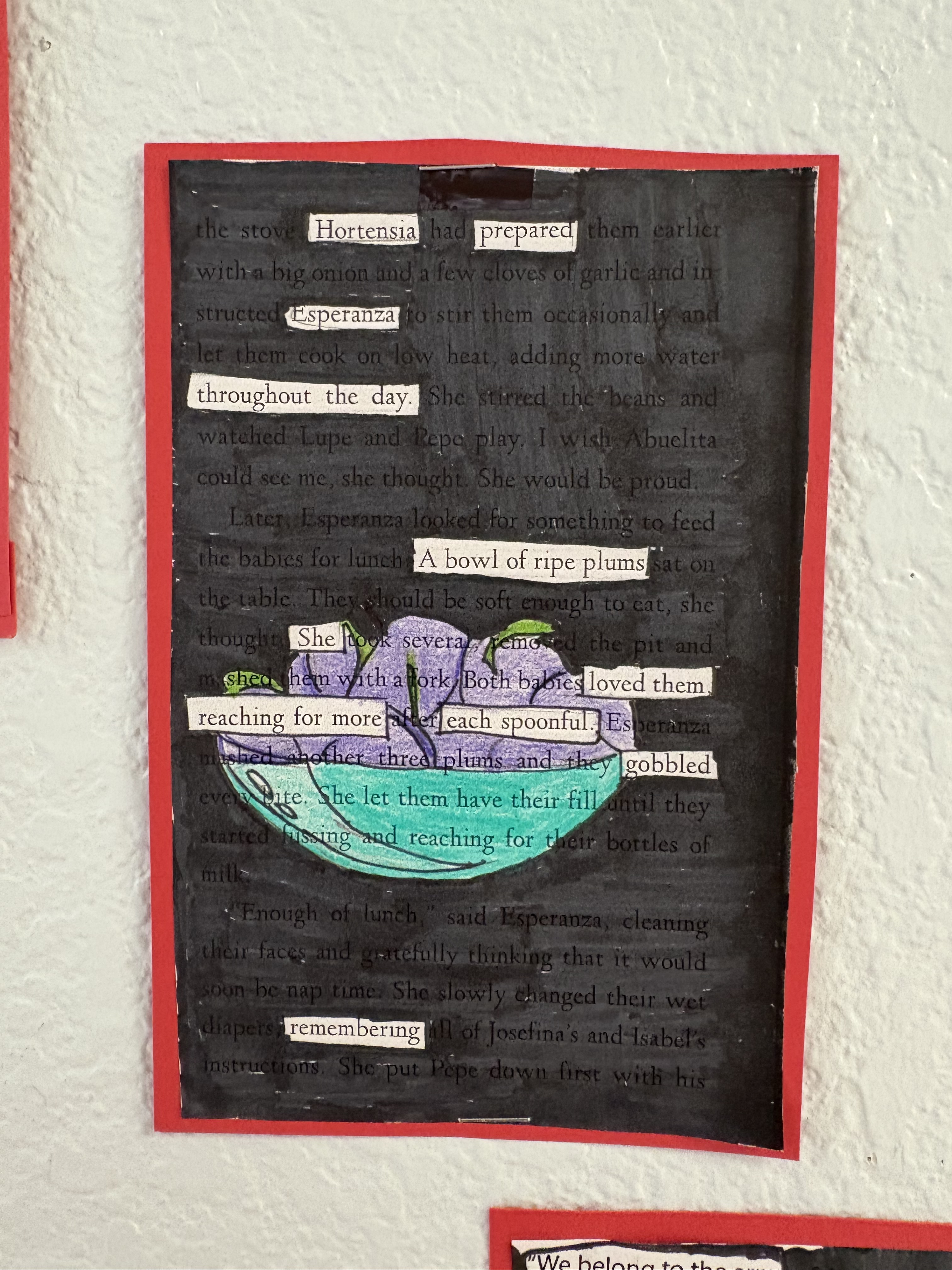
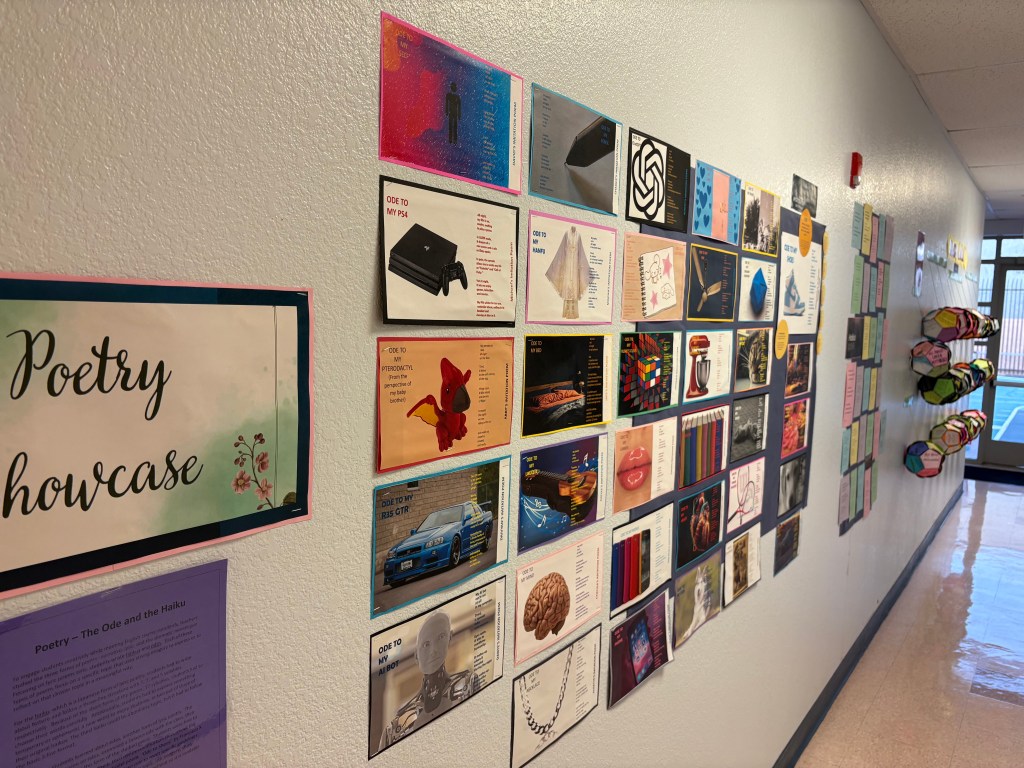
Next, students completed a poetry unit including a favorite, yearly activity called Found or Blackout Poems. Here, students used texts that had been assigned to them during the month of March to find words and phrases containing imagery that echoes of formal poetry. They then designed creative and relevant artwork on the page to enhance the found poem’s meaning.


Additionally, they wrote haikus and completed an imitation poetry assignment modeled after Francisco X. Alarcon’s “Ode to My Shoes,” a unique poem because his choice to reflect upon an ordinary item in his ode was an unusual choice. Yet, this choice presented myriad opportunities for our students to follow Alarcon’s example whereby they chose an item of personal importance and imitated his structure and extensive use of personification. Below are the model poem and the students’ versions. You will need to click on the photos to enlarge them.



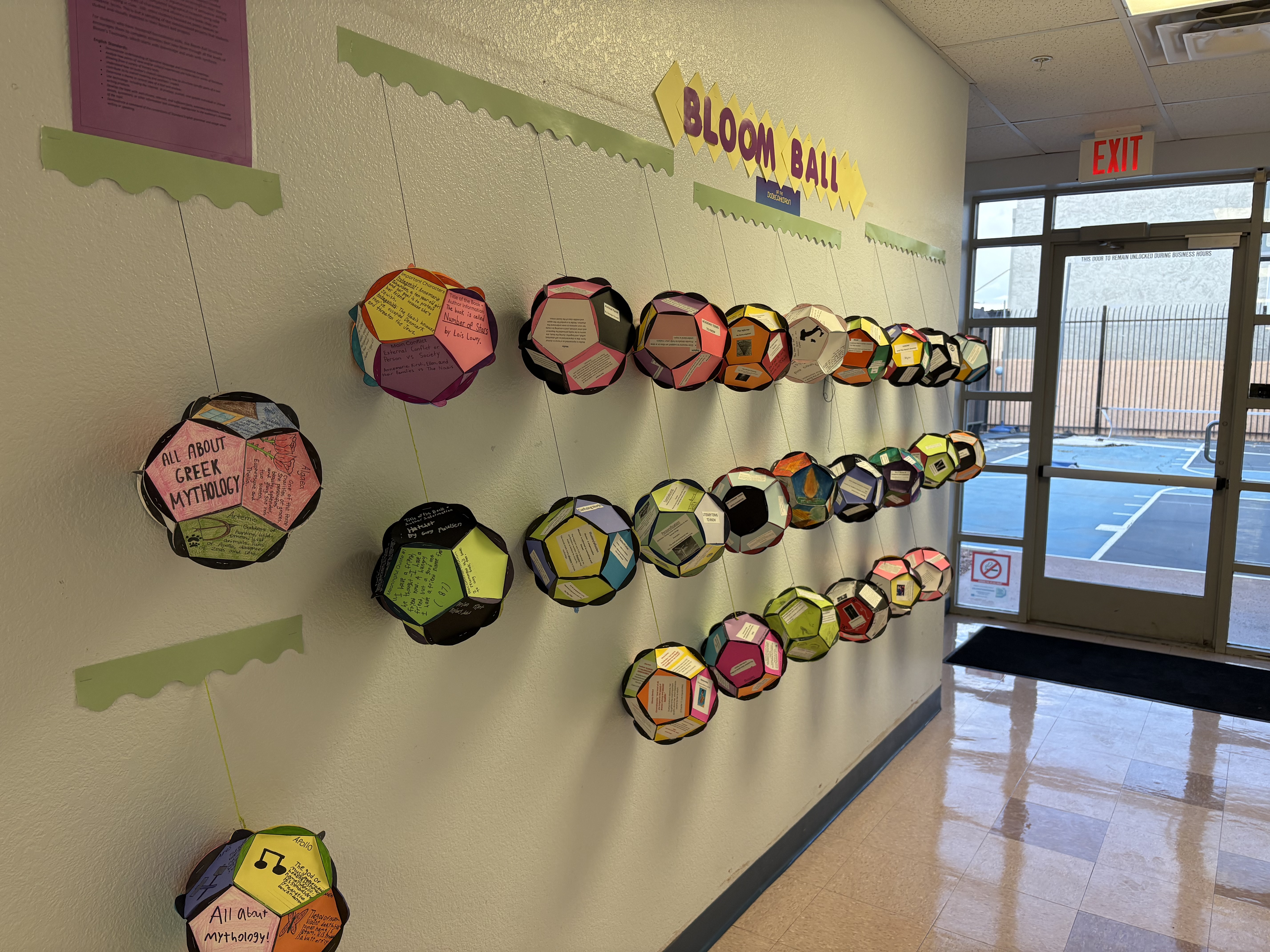
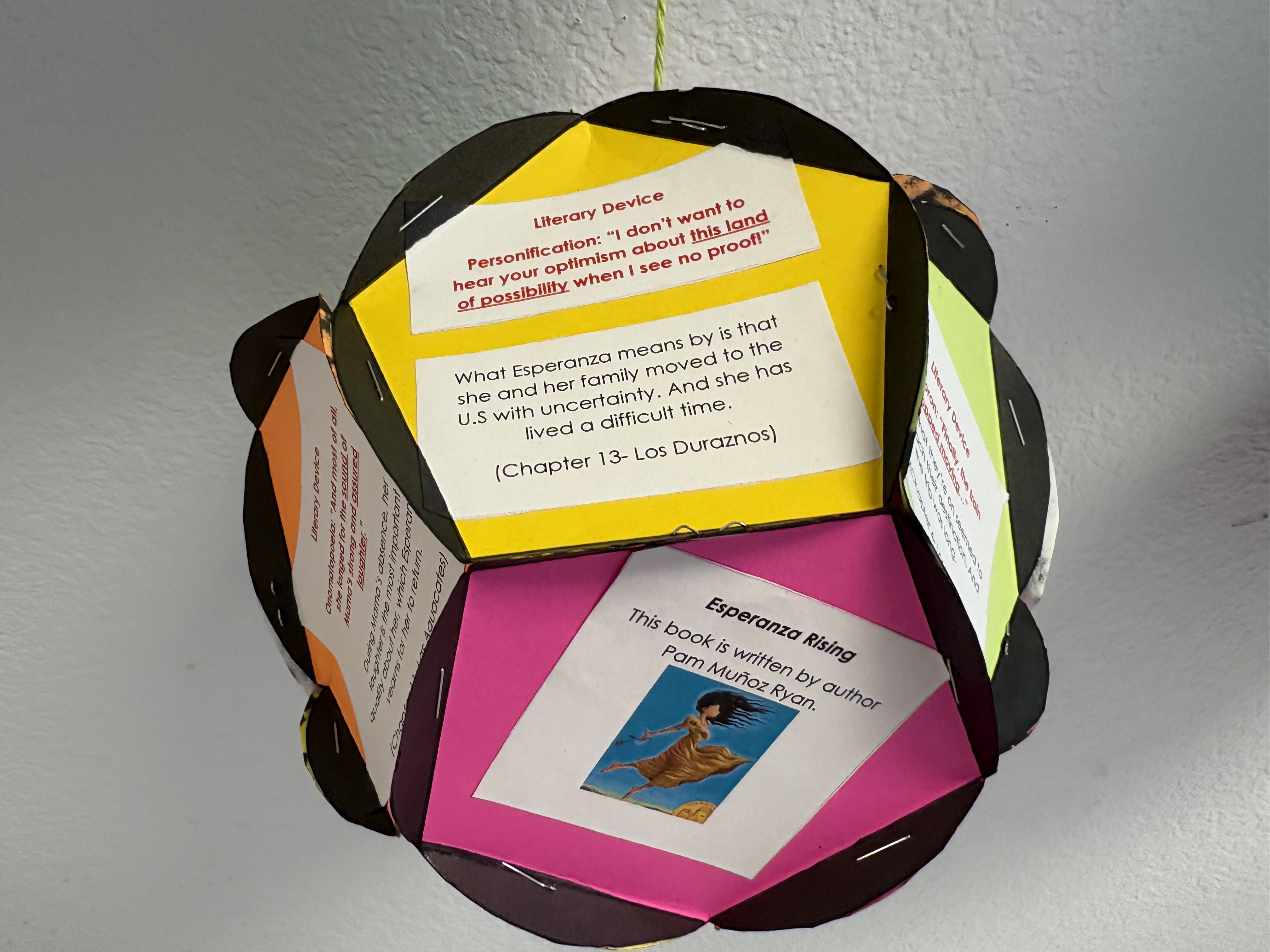
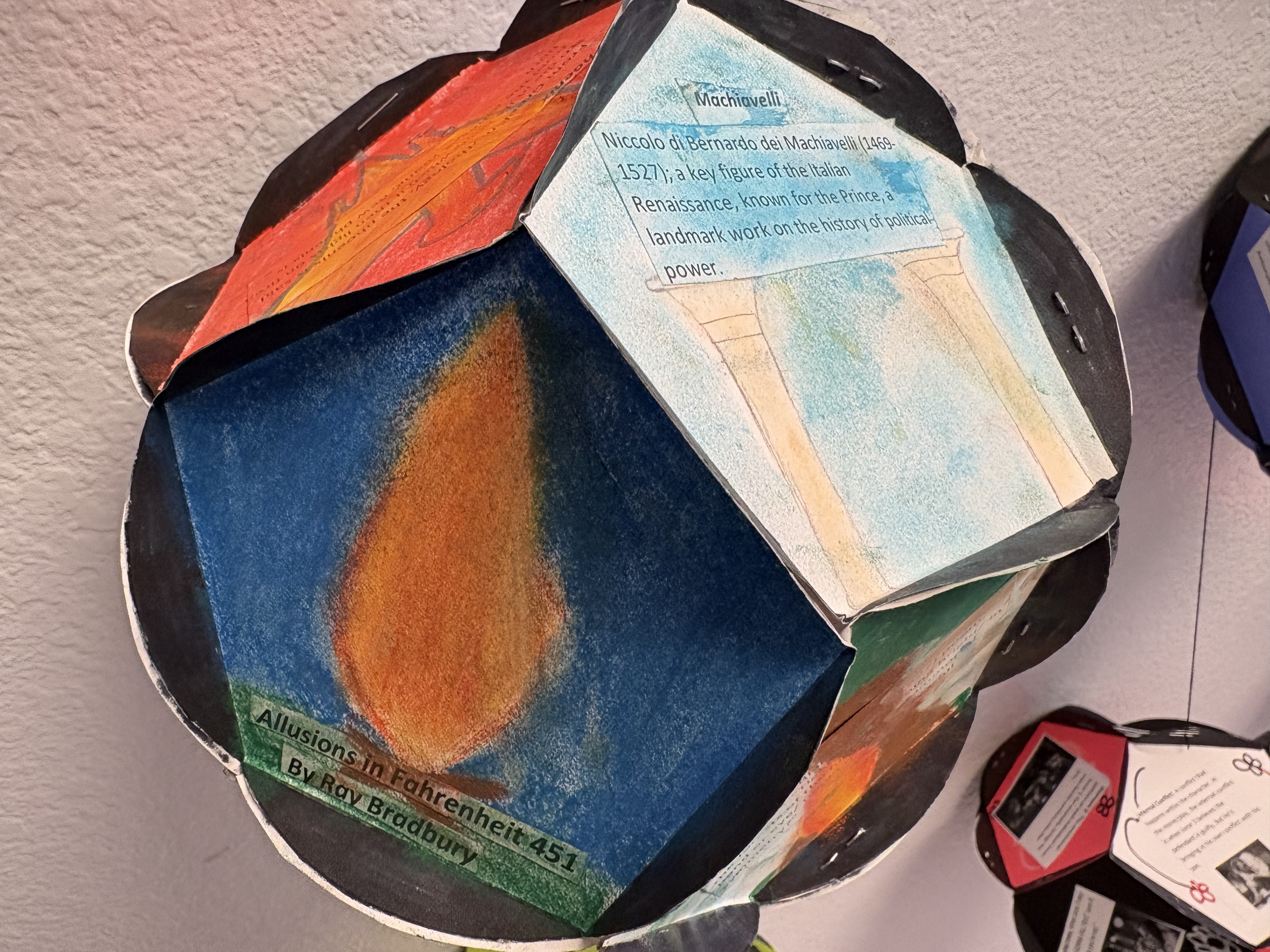
The final project of the year was highly individualized based on the academic needs of each student in English class. Some needed extra work identifying textual evidence to support a thesis, others needed to better grasp the differences between and among confusing words (e.g., capitol vs. capital, there, they’re, their), while others needed to learn their core literary terms or sharpen their understanding of mythology.
Using Bloom Balls, which are 12 pentagon sheets joined together to form a dodecahedron, students practiced mastering their skill, but they did so in a fun and visually-stunning way.

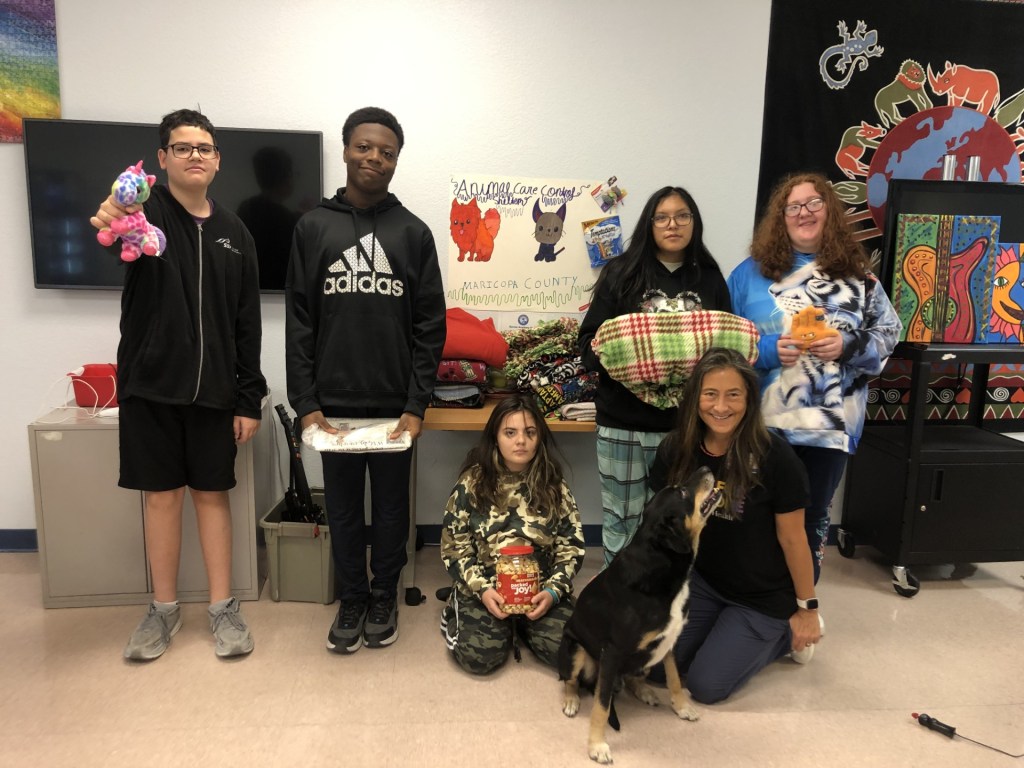
LIFE SKILLS – Banner Academy staff and students wanted to give back to the local community and decided to collect donations for the Arizona Humane Society. Students not only collected much needed items like toys, snacks, and cat food, but they also made blankets during class time to help animals in need.
Life Skills teacher Diana took a team of students including Lluvia, Michael, and Kaylee to drop off the collection boxes. The Humane Society’s staff was incredibly welcoming and grateful to Banner Academy for taking the time to help the animals in their care. A staffer, pictured below, even bought drinks from the nearby coffee shop to thank the kids.
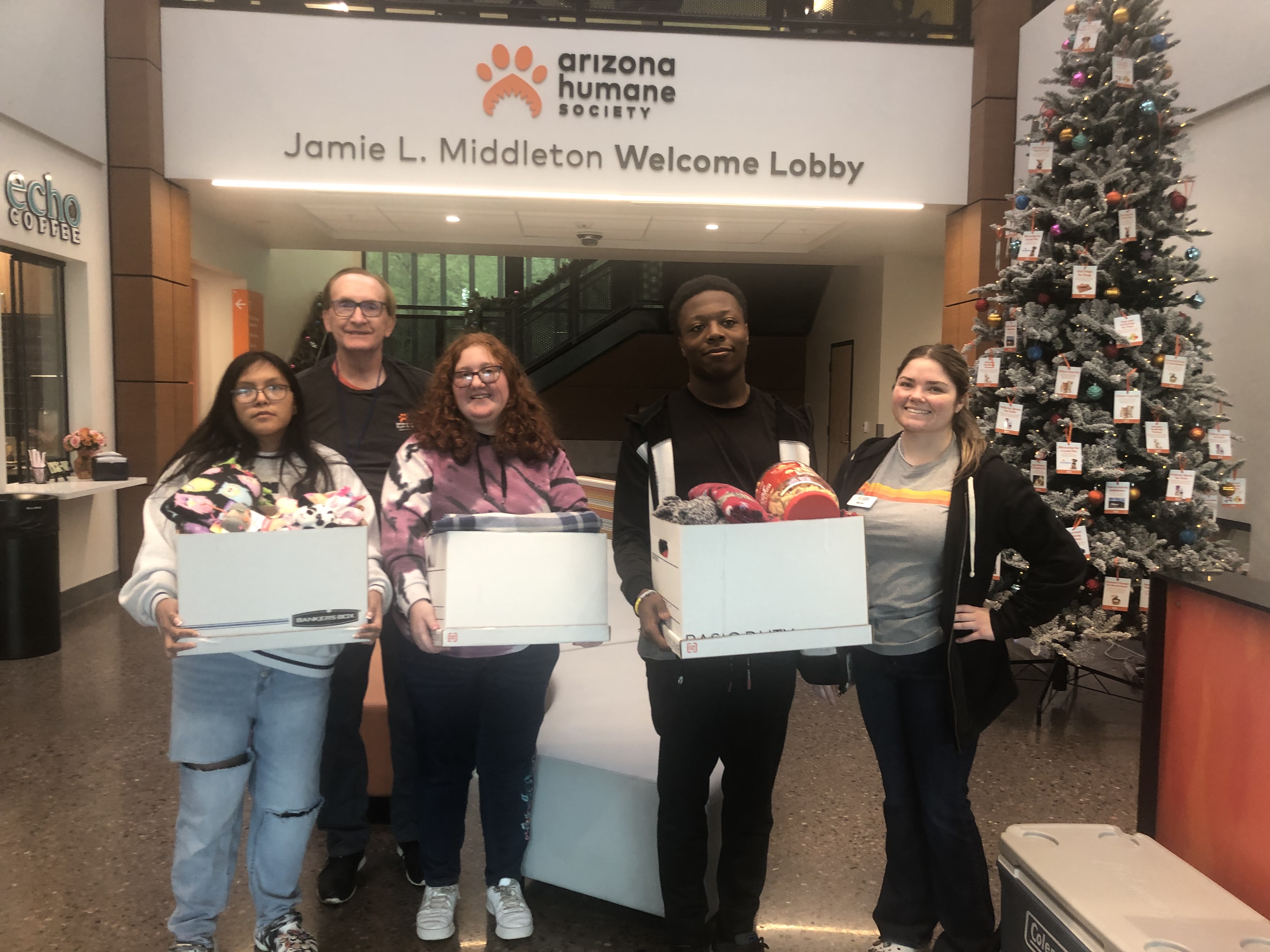

Students were invited to walk around the facility and meet the dogs, cats, and bunnies that are in search of forever homes. All in all, it was a memorable experience for the students to take part in an activity that builds an awareness of the needs that exist within our community.
Please feel free to follow the Arizona Humane Society at #azhumane on Instragram and on Facebook.
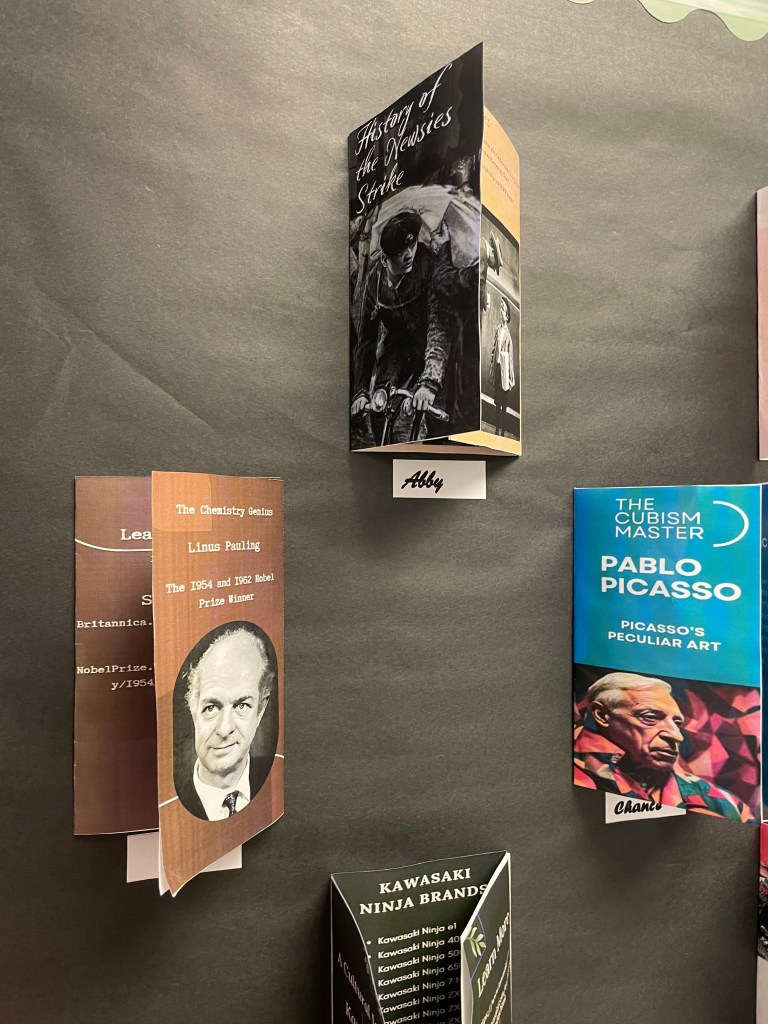
ENGLISH – Students used Canva as a fun way to build foundational research skills. They had to identify two valid, credible online sources and use index cards to take notes on specific criteria related to a self-chosen topic of interest.
Students had the opportunity to hone their technology skills by presenting their sourced information in a brochure that balanced text with visuals. Many ELA standards of learning were met in this creative yet academic project. Click on any of the pictures below for a better view of the students’ work and to gain more insight into the purpose of the project.



SCIENCE – During the first couple weeks of the 2024-2025 school year in science class, students completed several group activities. These activities aligned to concepts from introductory standards present for all the science courses.
First, students reviewed science laboratory rules and signed safety contracts to pledge their commitment to follow the safety rules. Then, they reviewed many types of common laboratory equipment with activities like online quizzes and a Bingo game. They practiced making qualitative and quantitative observations of various classroom items and the laboratory equipment.


Students learned different prefixes of the metric system, and practiced reading measurements on lab equipment they will be using this year.

Finally, students donned goggles and lab coats to complete an engaging Bubble Lab that allowed them to practice following the steps of the scientific method.
###
 Banner Academy